Depression
Major depressive disorder, including depression that hasn't responded to medication.
Serene Integrative Services offers personalized counseling addressing anxiety, depression, trauma, PTSD, and neurocognitive challenges like ASD and ADHD — plus FDA-cleared, drug-free TMS therapy that helps restore healthy brain activity without anesthesia, sedation, or downtime.
Covered by most major plans
We verify your benefits before your first session.
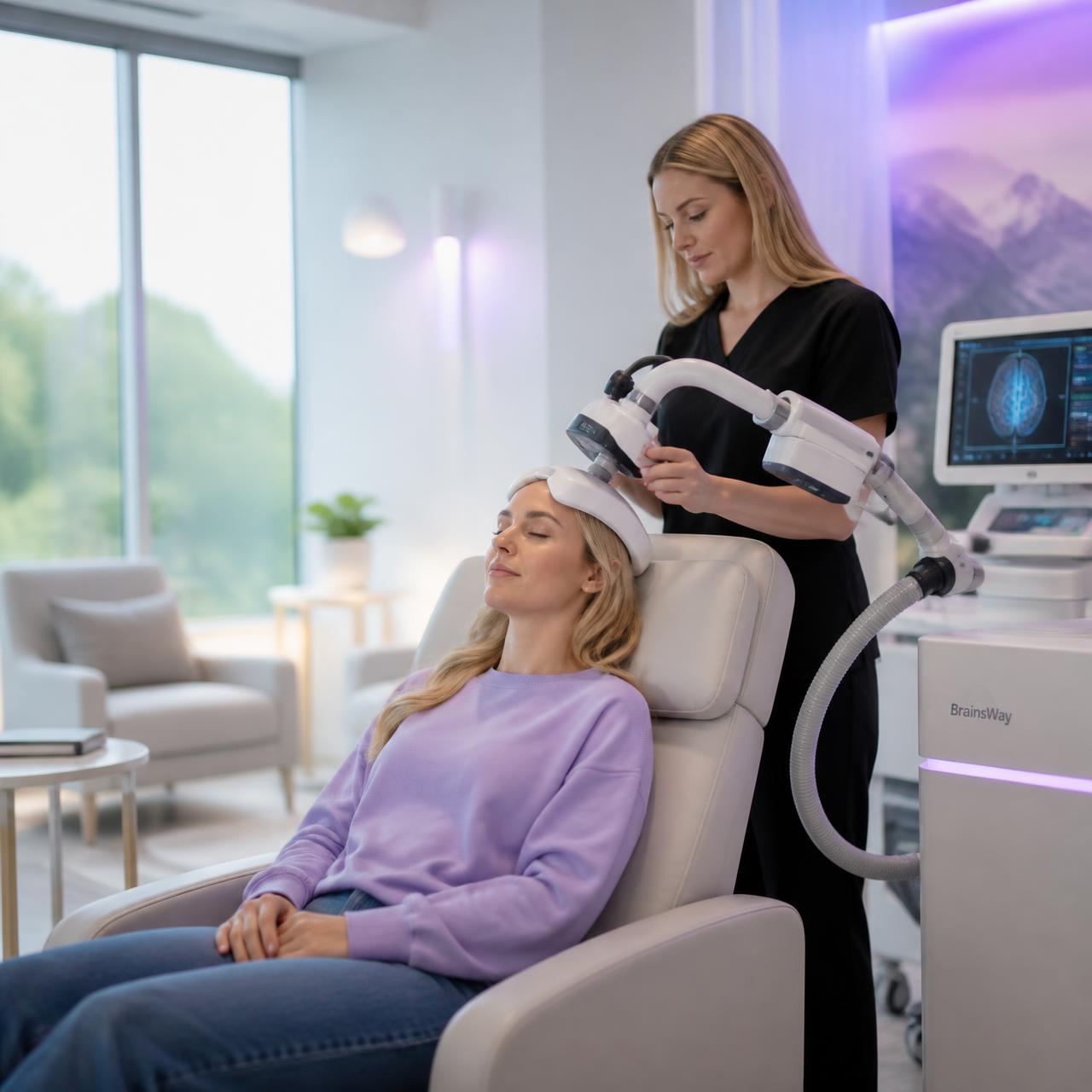
A glimpse inside Serene Integrative Services — where advanced TMS therapy meets compassionate, personalized counseling.
What is TMS?
Transcranial Magnetic Stimulation uses precisely targeted magnetic pulses to reactivate the mood-regulating circuits of the brain. There is no medication in your bloodstream, no sedation, and no recovery time — just a 20-minute session and the rest of your day.
Drug Free
No pills, no systemic side effects.
FDA Cleared
Cleared and clinically validated.
No Downtime
Drive yourself, return to work.
How TMS works
You stay awake and relaxed in a treatment chair while a precision coil is positioned against your scalp.
Focused magnetic fields pass painlessly through the skull — the same field strength used in an MRI.
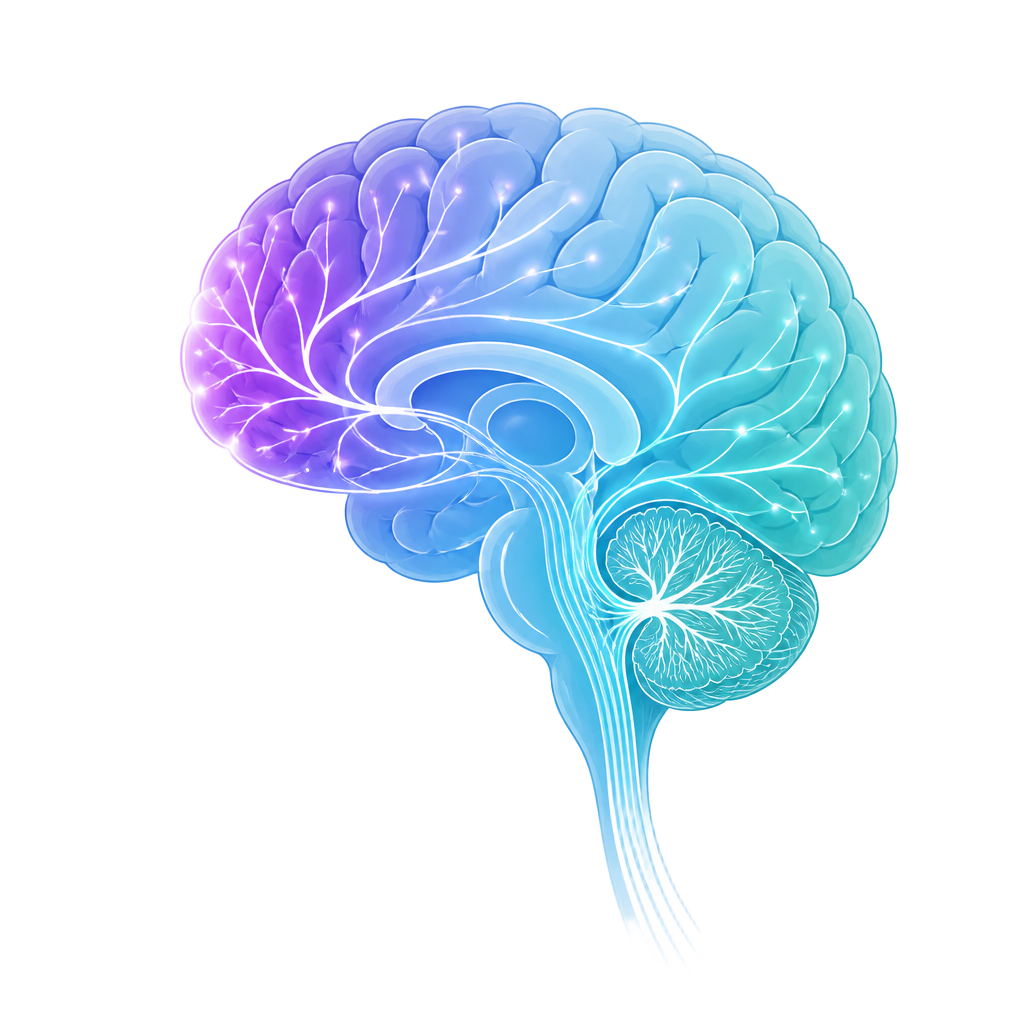
Pulses stimulate neurons in the left dorsolateral prefrontal cortex, a region often underactive in depression.
Over a course of sessions, healthy communication between mood-regulating brain networks is restored.
Targeted stimulation
The left dorsolateral prefrontal cortex coordinates the networks behind how you feel, think and respond. In depression it is measurably underactive. TMS wakes it back up, and its downstream connections follow.
Left DLPFC → mood, memory, focus, decision making, stress response
Conditions treated
Major depressive disorder, including depression that hasn't responded to medication.
Anxious distress that travels alongside depression and keeps the nervous system on alert.
FDA-cleared protocols targeting the obsessive-compulsive circuit.
Supportive protocols for trauma-related symptoms and hyperarousal.
Cleared treatment that reduces cravings and supports long-term quitting.
Why TMS works
Repeated stimulation strengthens the synapses your brain uses to regulate mood.
Pulses restore the firing rhythm between prefrontal and limbic regions.
Whole circuits — not single cells — return to a healthier baseline of activity.
As the network stabilizes, emotional control, sleep and motivation follow.
Results patients experience
Improved Mood
Reduced Anxiety
Better Focus
Better Sleep
More Energy
Improved Motivation
Including Medicare, Blue Cross Blue Shield, Aetna, Cigna, UnitedHealthcare and Humana. We handle prior authorization for you.
Testimonials
“After fifteen years and six medications, I finally had a morning where getting out of bed wasn't a negotiation.”
“The team explained every pulse, every week, every number. I never felt like a case file — I felt cared for.”
“I drove myself to sessions on my lunch break. By week four my family said I sounded like myself again.”
FAQ
A short, no-pressure consultation with our clinical team — insurance check included.